
As urbanization accelerates, the demand for green recreational areas is more critical than ever. These spaces not only enhance the quality of life for city residents but also play a vital role in promoting biodiversity and supporting sustainable development. In this context, one effective approach to developing such water reservoirs is the use of vinyl sheet piles. Made from recycled materials, these lightweight profiles offer a lower environmental impact during manufacturing and transportation.
In this article, we take a closer look at a project recently carried out in Poland, which assumed the expansion of the Kąpielka Reservoir at the recreation complex in Pogrzybów, where vinyl sheet piles GW-610/9 were used as protection for the embankment between two cascaded reservoirs. The purpose of this article is to show how the application of vinyl sheet piles proved to be a very effective solution to prevent hydraulic breakthrough.

Hydraulic Breakthrough and Potential Hazards
Hydraulic breakthrough, also known as the piping effect, involves water movement through porous soil beneath an embankment or other water barrier. This occurrence can lead to internal erosion of the substrate material, ultimately weakening the structure and, in extreme cases, causing the embankment to fail. Such a failure poses a risk of flooding adjacent areas, which can result in significant material damage and threaten the lives of both people and animals. Therefore, it is crucial to protect the embankment against hydraulic breakthrough adequately.
Project Description
The project to expand the water reservoir at the Kąpielka Reservoir recreation complex in Pogrzybów involved increasing the surface area of the water body from 1.3 hectares to 5.5 hectares. This expansion aimed to improve the microclimate and water conditions in the area surrounding the reservoir, as well as to enhance the attractiveness of the complex as a leisure destination for residents. As part of the project, vinyl sheet piles GW-610/9 with a length of 8.5 meters were used, secured at the top with a vinyl cap model 290.
Soil Conditions
The new embankments were constructed using cohesive material, specifically clay collected from the bottom of the reservoir. The entire site exhibited variable geology, as different types of soil were encountered in each drilled borehole. In addition to cohesive formations, the substrate also contains organic soils in the form of peat and clay sediments, as well as various types of sand, whose presence increases the risk of hydraulic breakthrough. These soil conditions necessitate the implementation of effective methods for protection against hydraulic breakthrough.

Solution
The project opted to use vinyl sheet piles GW-610/9, known for their high resistance to corrosion, chemical action, and biological degradation. These sheet piles, due to their flexibility and durability, are an ideal solution for protecting embankments against hydraulic breakthrough, particularly in environments with variable soil conditions. Their robust design ensures long-lasting stability and effectiveness in safeguarding the reservoir infrastructure.
Installation
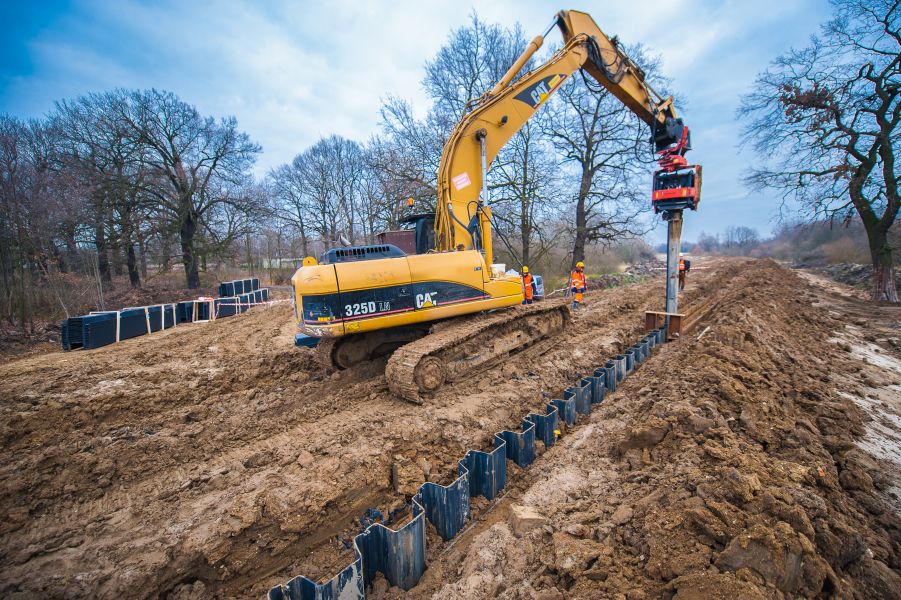
The installation of sheet piles was carried out using an excavator with a vibratory hammer and a mandrel, which allowed for easy installation and protection of the sheet piles during the process. The installation process was precisely controlled to ensure the proper placement of the sheet piles and their effective performance as a water-tight barrier preventing filtration.


Vinyl sheet piles during installation
Result
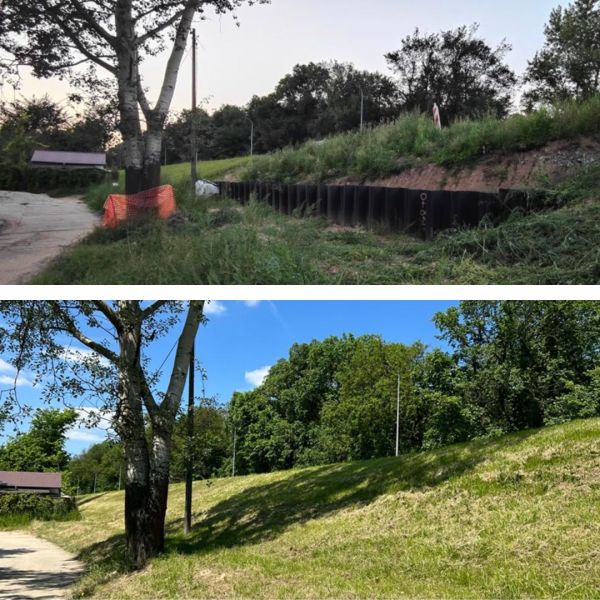
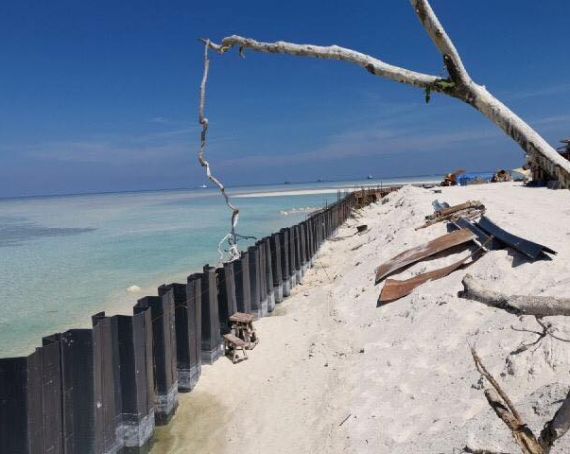
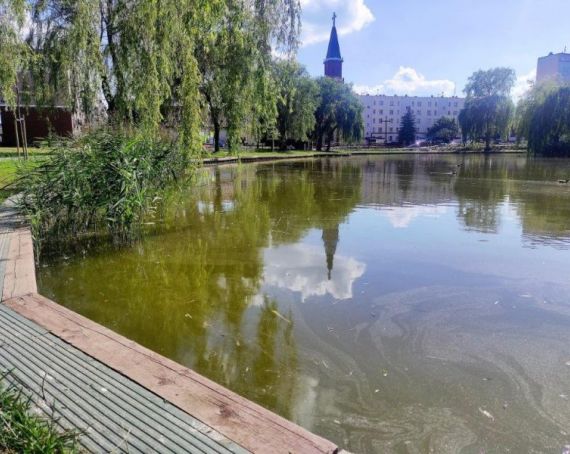
The use of GW-610/9 vinyl sheet piles in the reservoir expansion project in Pogrzybów effectively secured the embankment against hydraulic breakthrough. As a result, the enlarged water body will not only help improve the microclimate and water conditions in the area but will also enhance the attractiveness of the recreational complex as a leisure destination. Additionally, it is worth noting that the vinyl sheet piles were integrated into the landscape so seamlessly that they are hardly noticeable, preserving the natural appearance of the investment site. This project serves as an excellent example of the efficient use of modern materials in hydraulic engineering, bringing benefits both to the environment and the local community.
If you would like to discuss this article, the team will be delighted to chat!


Vinyl sheet piles form an integral part of the reservoir embankments
As the impact of extreme weather triggered by the ongoing climate change becomes more and more destructive, it is essential to maintain flood protection infrastructure in good working order. Flood embankments which constitute the first line of defense against flooding, must be especially taken care of since their infallible operation is particularly important where water resources, e.g. rivers are part of the urban landscape. For centuries, people have settled by rivers. Such has been the case with Cracow, one of the oldest cities in Europe, where the Vistula River is an invaluable landscape asset, but at the same time it is a source of potential threat.
Taking the project of flood embankments expansion in Cracow as an example, in this article, we describe how flexible approach and openness to innovation resulted in efficient modernization and expansion of the key flood protection infrastructure of the Vistula River, in a project where the use of our environmentally friendly vinyl sheet piles, not only turned out to be an ideal solution in terms of technology, but at the same time helped generate significant financial savings.
The challenge
The flood embankments of the Vistula river in the eastern part of Krakow required reconstruction to ensure adequate flood protection. Their technical condition was so bad that in the event of a flood, water seepage through the embankment could lead to a hydraulic rupture and, consequently, permanent damage to the embankment. Failure to intervene properly could result in a major disaster.
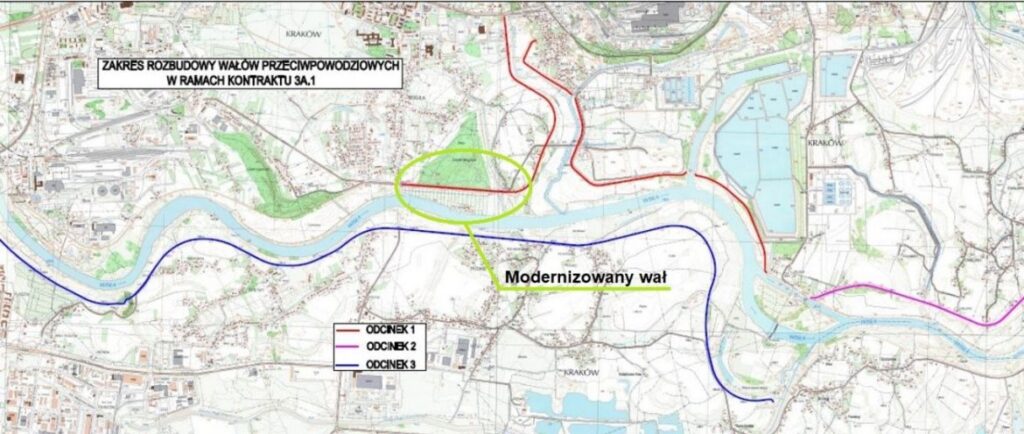
In order to protect the local residents, the investor, i.e. the state-owned company Polish Waters, decided to expand and modernize flood embankments within three districts of Cracow, located in the East: Podgórze, Czyżyny and Nowa Huta, as well as partially cover the Wieliczka commune. The project assumed the construction or modernization of a total of 21 kilometers of flood embankments and improve the safety of as many as 40,000 citizens of the Cracow region, inhabiting an area of over 31 km2.
The Section 1 of the project from the Bridge of Wanda to the intersection with the Zakarnie Street, the flood embankment has been simultaneously used as a busy road – the Podbipięty Street.
The original solution: why it failed
The initial design was to tighten the flood wall using the TrenchMix/CDMM technology. This technology consists in deep mixing of soil with cement using a special tool resembling a large chainsaw which is over 10 meters long. Work is being carried out on site and the TrenchMix/CDMM technology is characterized by a relatively fast pace of installation and low cost.
Unfortunately, just after the works started, it turned out that the core of the embankment was made using hard material obtained from steel works, which was too compacted to be efficiently processed by the TrenchMix/CDMM machine. Due to the impossibility of effectively mixing the soil material with cement, an alternative solution had to be found.
Technology switch – attempt no 1
Due to the factors mentioned above, which prevented the use of a cement-soil barrier, it was decided to replace the CDMM barrier with steel sheet piles 7-8 m long.
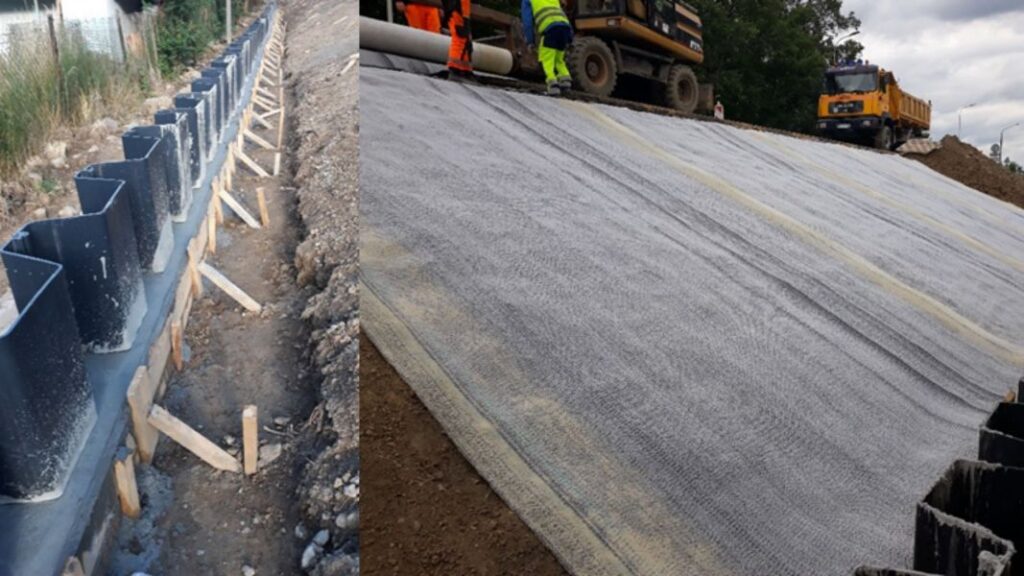
Steel sheet piles were to be driven into the base of the flood wall, and a bentonite mat was to be attached to the upper edge of the structure, covering the water adjacent side of the embankment to prevent the water from filtering through the embankment above the sheet piles.
Application of such alternative solution, would tighten both the base of the embankment to a depth of 7 meters and protect its body against seepage during potential floods that might occur in this area.
War in the Ukraine
In late February, when the works carried out at the flood embankment were advanced, the war in the Ukraine started with its direct and indirect consequences impacting many aspects of global economy and a many industry sectors, with the steel market as one of them. The supply collapse resulted in severe shortages in the availability of material and steel products. The completion of the works within the contracted deadline has become a big question mark and so was the safety of the inhabitants of Cracow with the flood risk season approaching. Following a series of consultations carried out by the investor, the chief designer and the contractor, the parties decided to replace the steel sheet piles with their vinyl alternatives.
As it turned out, the decision could not have been a better one.
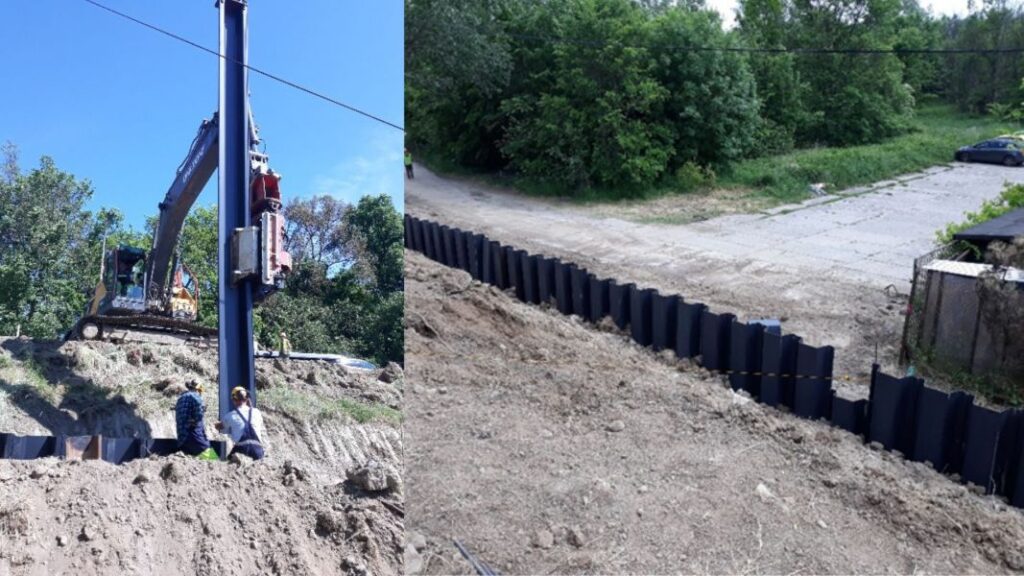
Despite the challenges, the project was a success. A total of 7,840 m2 of vinyl sheet piles were installed over a length of approximately 900 meters.
The functionality of the vinyl sheet pile structure is identical as the one originally assumed for the wall made of steel sheet piles. The bentonite mattress was installed exactly in the same way as it was designed for steel sheet piles, i.e. a reinforced concrete cap was constructed behind the wall made of vinyl sheet piles, which was mechanically connected to the bentonite mat.
Vinyl sheet piles and measurable value added
The innovative approach to the problem not only ensured safety, but also brought significant investment savings.
The cost of a quare meter of steel sheet piles, which was applicable and installable in this task, would amount to approx. EUR 225 while one square meter of vinyl sheet piles used as an alternative equalled only EUR 57. This means that using vinyl sheet piles generated a saving of EUR 168 per square meter. For the total installed amount of 7,840 m2, the material costs were therefore reduced by approx. EUR 1.35 million.
Vinyl sheet piles are installed using exactly the same equipment as steel sheet piles, but with a much more simplified logistics on site. Thanks to the lower weight of PVC in comparison with steel, less equipment and man force is required to transport and handle the vinyl sheet piles at the construction site.
While the logistics savings are in this case difficult to calculate precisely, it has to be highlighted that that the investor spent approx. EUR 1.35 million less from the project budget. Such amount is much too significant to be ignored.
Summary
The project of extending the Vistula River flood embankments in Cracow teamed with challenges and plot-twists, both technical and those resulting from the geopolitical situation.
However, thanks to the investor’s foresight, flexible approach to planning and the ability to quickly adapt to the unforeseen circumstances, it was possible to successfully complete the project using an alternative technology, achieving significant financial savings at the same time.
The above case has proved that even in the face of unexpected obstacles, openness to alternative solutions, innovative thinking and cooperation between the investor, contractor and designer can bring both technical, ecological and financial success.
A throwback to a project carried out at the Baltic coast in Poland, where our vinyl sheet piles were used in to construct the storm protection infrastructure at a marine harbor in Kąty Rybackie. EcoLock profiles formed cut-off wall which was topped with a retaining wall made of reinforced concrete. Thanks to this investment, carried out by the Marine Authority in Gdynia, the area gained protection against floodings caused by the damming up of water in the Vistula Lagoon. The Pietrucha Group, on the other hand, has added another invaluable experience to its project portfolio.
Violent storms are quite a notorious phenomenon at the Baltic Sea. It is estimated that on the Vistula Spit, approximately 40 days a year the wind is blowing at a storm speed well exceeding 17 meters per second. Storms may be devastating and dangerous, especially when they affect urban areas, however, they are also conductive to a number of positive phenomena. First of all, by bringing the waters from the North Sea, storms help in the water exchange. And with the water comes the life-bringing oxygen. In consequence, they help reverse the detrimental deoxygenation effect of the Baltic Sea.
Man has always settled at the shores of water reservoirs and riverbanks. Water has served as trade routes, provided food, resources and material, gave work. Today, the coastal areas, due to their landscape values, are a popular destination for summer hikes, a place for rest and recreation.
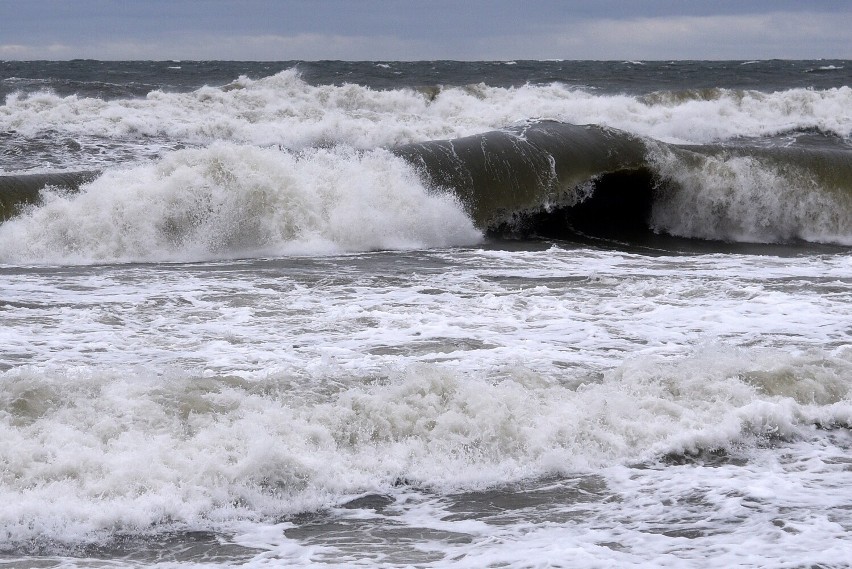
Storms cannot be avoided, but thanks to existing technologies, including environmentally friendly solutions based on vinyl sheet piles, we can effectively protect ourselves against them.
Kąty Rybackie, a small town located at the Baltic Shore, and especially the area of its marina and a fishing harbor, where inter alia, the Vistula Lagoon Museum is located, were exposed to heavy flooding. It was caused by the changing water levels, depending on the direction of the wind. Due to additional unfavorable factors, e.g. waves and ice phenomena, the design of securing this area required the construction of a reinforced retaining wall supported with an anti-filtration barrier in the ground that would be able to resist the most violent atmospheric conditions.
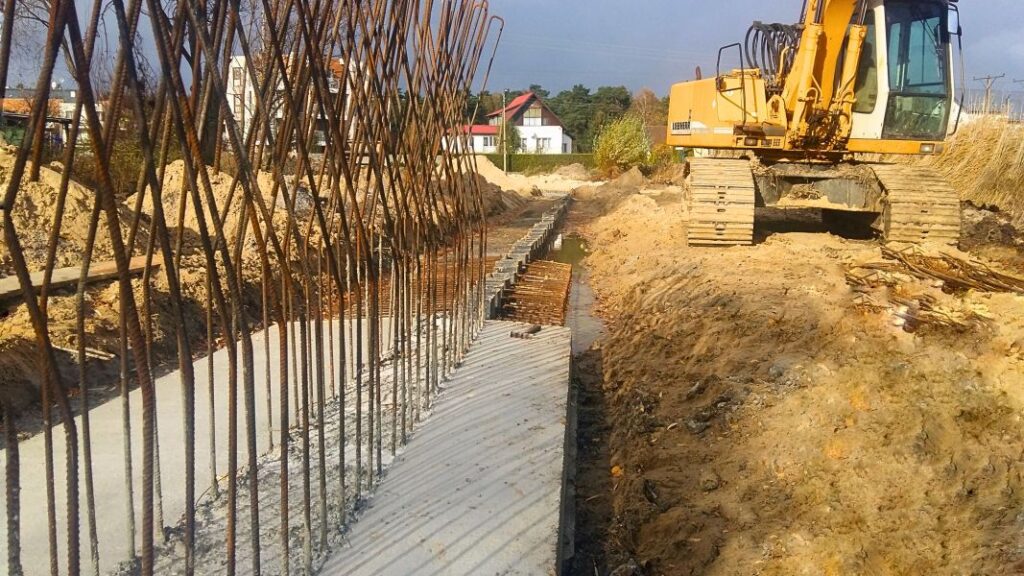
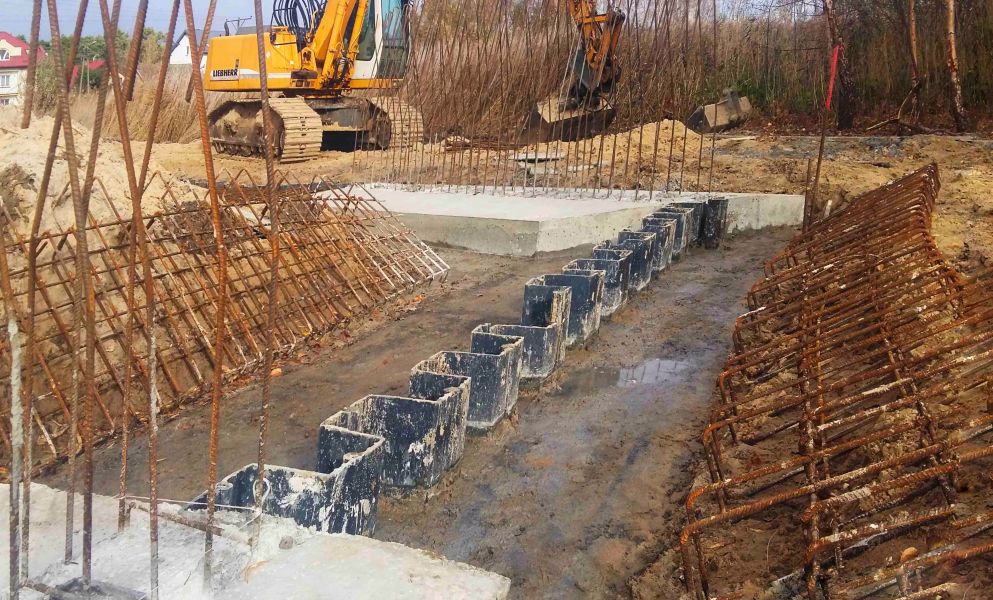
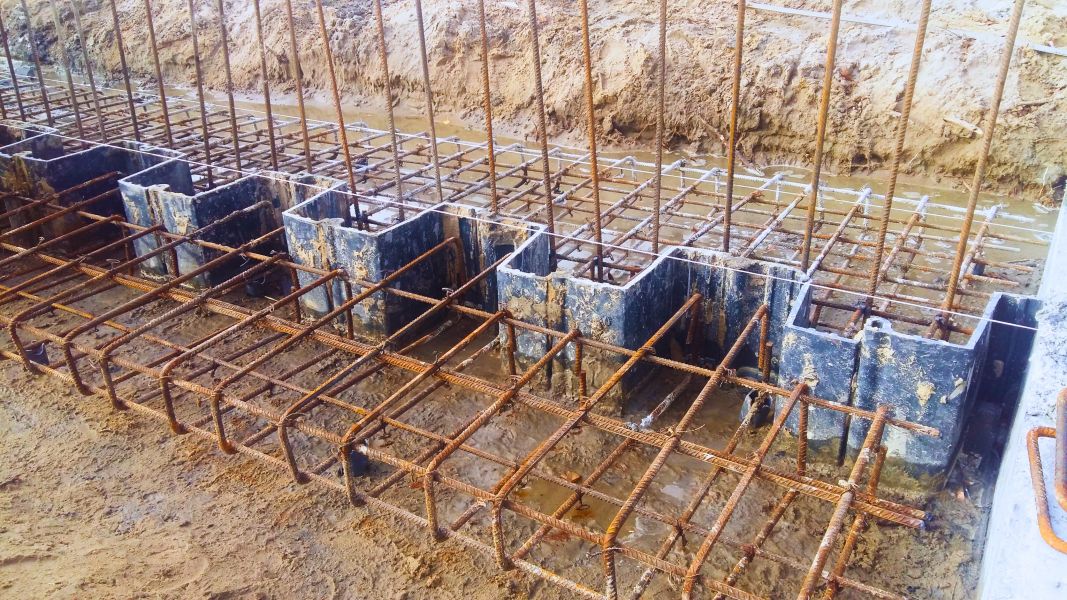
The designed structure consisted of a retaining wall made of reinforced concrete, accompanied by an over 100-metre anti-filtration barrier which was installed under the foot of the concrete structure. The cut-off wall was made from a 3-metre-long EcoLock vinyl sheet piles type GW 580/11. In order to improve the soil conditions for the foundation of the wall, the existing organic soils on the construction site were partially replaced with embankments made of sandy material which was mechanically compacted using technology and devices ensuring the required effect.
Summary:
The applied solution effectively protected the area of Kąty Rybackie against flooding from the side of the Vistula Lagoon, as a result of violent storms coming from the North and East direction, which pushed back masses of water from the sea into local rivers.
The Eastern part of the port was protected against the effects of backwater flooding the streets and properties, including the Vistula Lagoon Museum.
Based on the analysis of the LCA analysis conducted at the Łódź University of Technology, due to the use of recycled material for production and lighter weight, vinyl sheet piles burden the environment several times less than traditional technologies. In addition, due to their resistance to external factors, vinyl sheet piles do not corrode. PVC, i.e. the material they are made of, is also safe for drinking water, since it is the same material used for the production of water pipes.
The above factors speak for the use of vinyl sheet piles as a technology worth considering in projects where cut-off walls in the ground are to be constructed. They contribute to the costs optimization and expand the lifespan of hydrotechnical infrastructure, while promoting sustainable development which goes in line with the UN Sustainable Development Goals.
Flood embankments and retention reservoirs and other strategic elements of flood protection infrastructure, due to their function, require reliable design and implementation. The rising prices of construction materials and costs of transport have drawn the attention of investors to solutions alternative to steel and concrete for the construction of such infrastructure. This resulted in their increased interest in the technology of vinyl sheet piles and its competitive advantages over traditional solutions.
Contrary to structures designed to constantly dam water, the flood embankments and retention reservoirs are intended to retain water on a periodical basis. The flow of such water is very often extremely dynamic and carries a number of threats. Such strategic elements of flood protection infrastructure require exceptional care in the design and construction process to protect people, animals and buildings against the catastrophic consequences of floods.
In the face of rising prices of construction materials and the costs of their transport on a global scale, designers, contractors and, above all, investors are increasingly looking for alternative technologies to construct flood protection levees and cut-off walls in the ground.
Vinyl sheet piles, introduced in the USA in the 1980s, are one of such alternative solutions to choose from. The Pietrucha Group has been manufacturing vinyl sheet piles since 2006 and the company’s R&D team has been carrying out a number of projects intended to further develop the product. One of the research directions followed by the engineers has been the reduction of the filtration coefficient. The work resulted in a vinyl sheet pile with an integrated gasket made of soft PVC. The solution significantly increases the scope of projects where vinyl sheet piles can be used to build anti-filtration barriers in the ground.
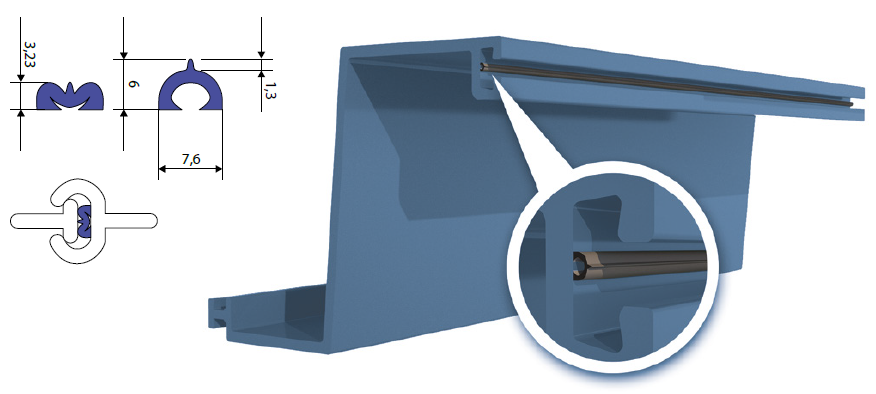
The most conspicuous advantage of vinyl sheet piles with gaskets over other available technologies, e.g. steel sheet piles or CDMM/TrenchMix barriers, lies in achieving complete tightness of the vinyl sheet pile construction immediately upon installation. There is no need to wait for the soil to clog in the locks or for the cement-soil mixture to harden. The filtration coefficient through the vinyl profile locks was achieved not by reducing the loose space inside the locks or their dimensions, which could involve the risk of damaging the locks during installation of the sheet pile in the ground, but thanks to the PVC gasket that fills in the loose space under pressure and immediately tightens the construction preventing the filtration of water or other unwelcome substances through the lock. The gasket is a fully integrated with the profile, it is not glued or welded into the lock in any way, but is thermally bonded in the post-coextrusion process.
The advantages of vinyl sheet piles technology
The technology of vinyl sheet piles has a number of competitive advantages with lower costs of material and transport being the most conspicuous ones. Usually, the prices of popular vinyl sheet pile profiles used to build tight-walls are about 30-50% lower than their steel counterparts applied in similar projects.
PVC, i.e. the material used to manufacture vinyl sheet piles, is about five times lighter than steel. As a result, more square meters of vinyl sheet piles may be loaded using a single transport unit. That is why, the transport of profiles from the factory to the construction site allows for measurable savings. In addition, the impact on the environment is also lower since less fuel is used and less exhaust fumes are emitted to the air.
Vinyl sheet piles are resistant to chemical and biological factors, do not corrode in contact with water, including salty water, so they do not require additional protective layer.
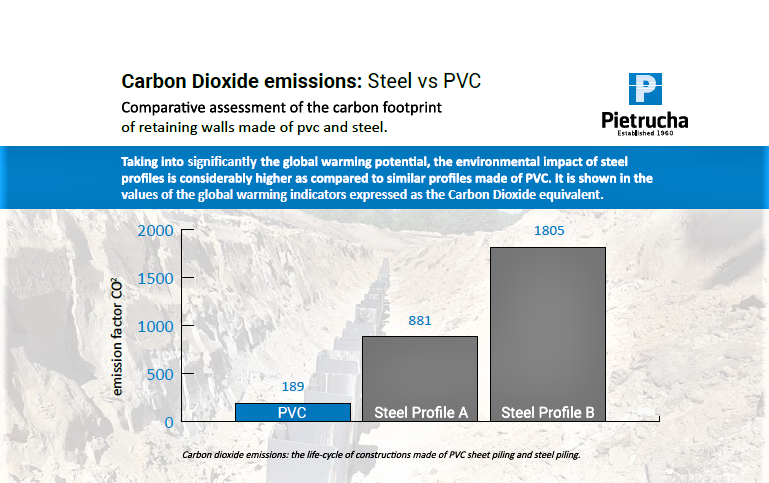
They are also made of recycled material, which makes them more sustainable. According to the comparative Life Cycle Analysis, carried out by the Lodz University of Technology, the impact of steel sheet piles on the environment is several times higher than vinyl sheet piles, when it comes to their influence on health, ecosystems, natural resources and carbon footprint.
Installation of vinyl sheet piles is similar to the installation of steel sheet piles with the same equipment used i.e. excavators, cranes or piling machines equipped with vibratory hammers. When installing PVC sheet piles, a special steel guide in the shape of the installed profile is used. This element is made and supplied by the manufacturer together with the vinyl sheet piles. Acting as a blade, the steel guide removes obstacles in the path of the driven sheet pile, such as stones and roots. Thanks to this technology, it is possible to successfully and quickly install profiles up to 13 meters long. In difficult ground conditions, in the case of profiles longer than 8 meters or when profiles need to be driven to the depth exceeding 8 meters, the guide is made of reinforced steel, ensuring rigidity and adequate strength even in difficult ground conditions.
Overview of projects using vinyl sheet piles
For over 15 years, vinyl sheet piles from Poland have been used in thousands of flood protection projects carried out in over 40 countries around the globe. Some of them deserve special attention due to their specificity and complexity.
The Gardna Polder
One of such comprehensive projects was “Embankment construction around the Gardna Polder”. The project implemented in 2012-2013 was the largest investment of this type in Europe, where a total of 72,400 m2 of vinyl sheet piles with the GW-270/5.5 profile were used.
The Wrocław Water Junction
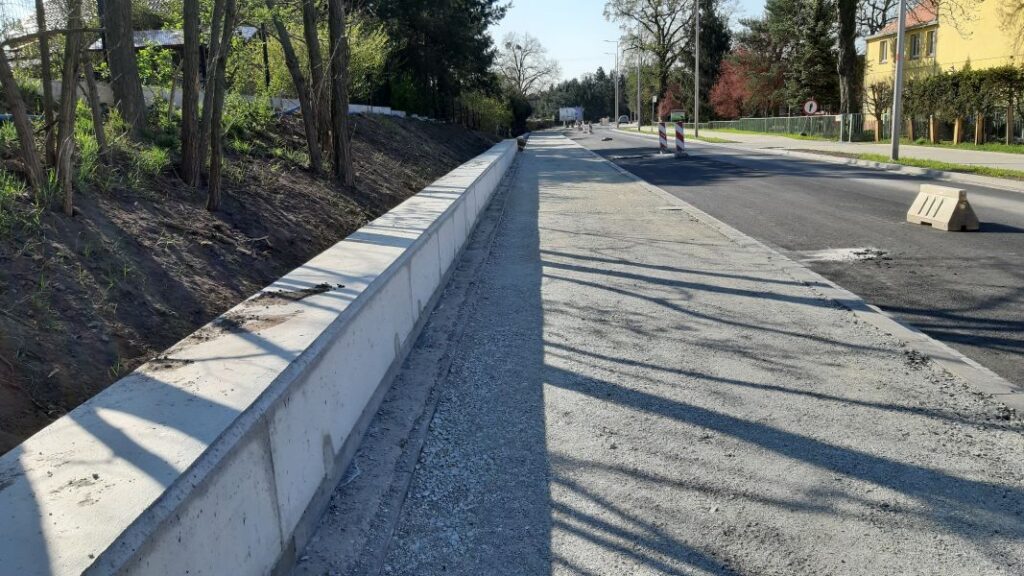
The GW-610 profile with variable wall thicknesses was also used in another large project, “The Wrocław Water Junction”, implemented by the regional environmental agency in Wrocław in South-Western Poland. Vinyl sheet piles were used to reinforce and tighten the flood protection levees. The structure made of sheet piles was additionally crowned with a reinforced concrete cap, exactly the same as used in the case of steel sheet piles. A total of over 25,000 m2 of vinyl sheet piles were used in the Wrocław project.
Flood infrastructure in the Częstochowa region
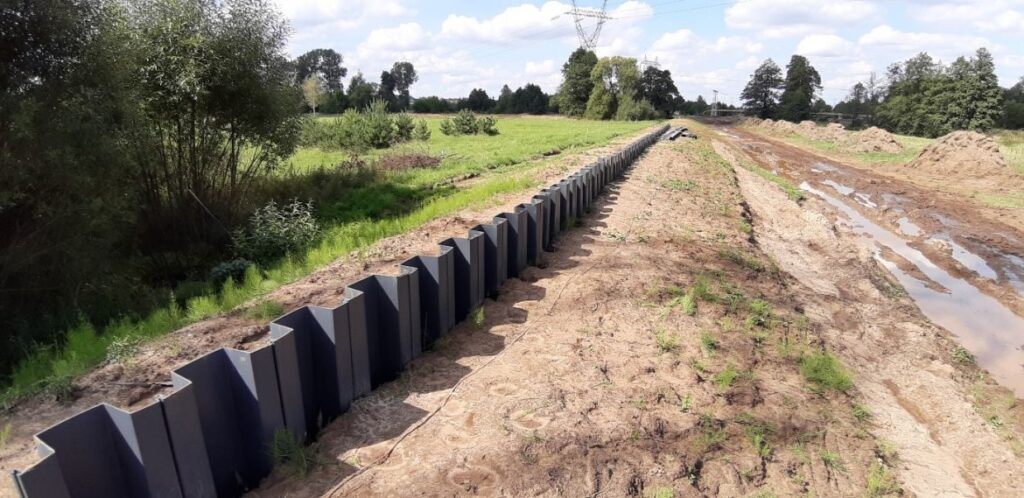
Another huge project using vinyl sheet piles is a multi-stage project of modernization, reconstruction and strengthening of flood protection infrastructure of the Warta River in the Częstochowa region, Central Poland. The works were carried out in several stages with the total length of the levees to be reinforced in this project amounting to nearly 19 km. The lengths of the profiles (4.0 m and 5.5 m) have been selected in such a way as to reinforce the embankment but, at the same time, allow the flow of groundwater from the area beyond the levees towards their natural estuary, i.e. the Warta River. It was assumed that groundwater would flow under the structure. In the event of heavy rains, this solution ensures quick drying of arable land and residential areas located east of the river.
Tailings reservoir in Kazakchstan
The most demanding project implemented by the Pietrucha Group was the construction of a cut-off around the tailings reservoir at the zinc and lead opencast mine in Kazakhstan. Extremely unfavorable ground conditions and extreme temperature amplitudes did not impede the construction works, which lasted over 12 months. As many as 69,000 m2 of vinyl sheet piles with a soft PVC gasket were installed in this project, and the length of the cut-off wall is almost 9 km. The lengths of the GW-610/7.2 and GW-610/9.0 profiles ranged from 6m to 11m.
The protection of the reservoir consisted in the construction of an anti-filtration barrier made of vinyl sheet piles which were embedded one meter into the impermeable layer around the entire reservoir. This was to ensure that the groundwater will not be contaminated with extremely dangerous substances retained in the tailings reservoir.
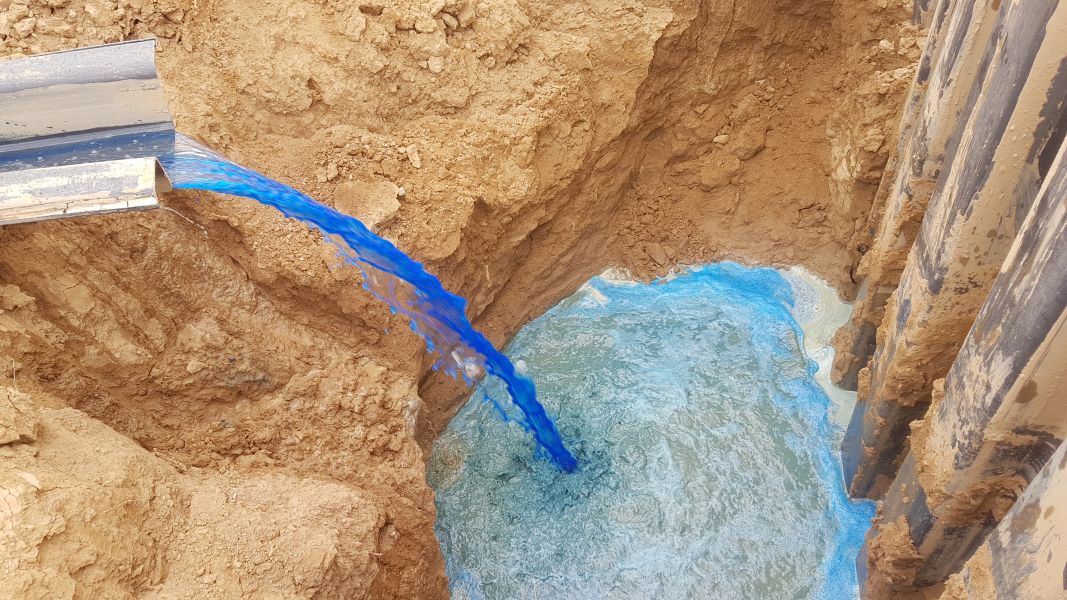
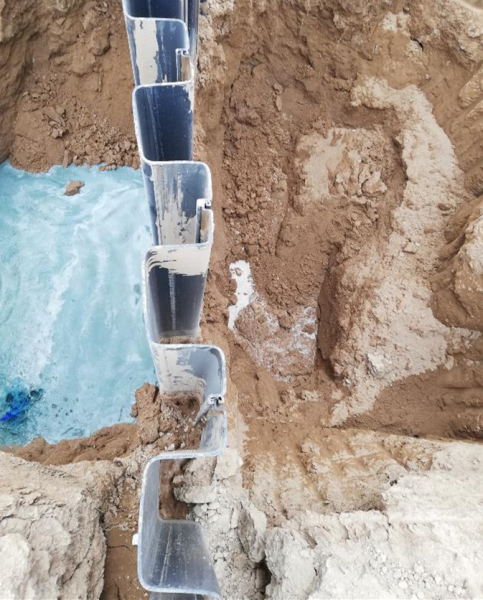
After the trial section was completed, the client wanted to make sure that the sheet piles formed a 100% watertight barrier. A number of tests were conducted on the vinyl sheet pile locks, which consisted of digging up the sheet piles installed in the ground on both sides to a depth of 4 m, and then pouring water coloured with ink into the trench on one side.
As in the case of any infrastructure investment, when it comes to civil engineering projects involving the application of a sheet pile technology, one of the most important components of the project documentation is the costs analysis, taking into account various available solutions. When estimating the total project budget, it is critical to comprehensively consider the full range of cost drivers and the pros and cons of each technology. Only then is it possible to make conscious and responsible decisions and make choices which will affect our planet and the well-being of future generations for many years to come.
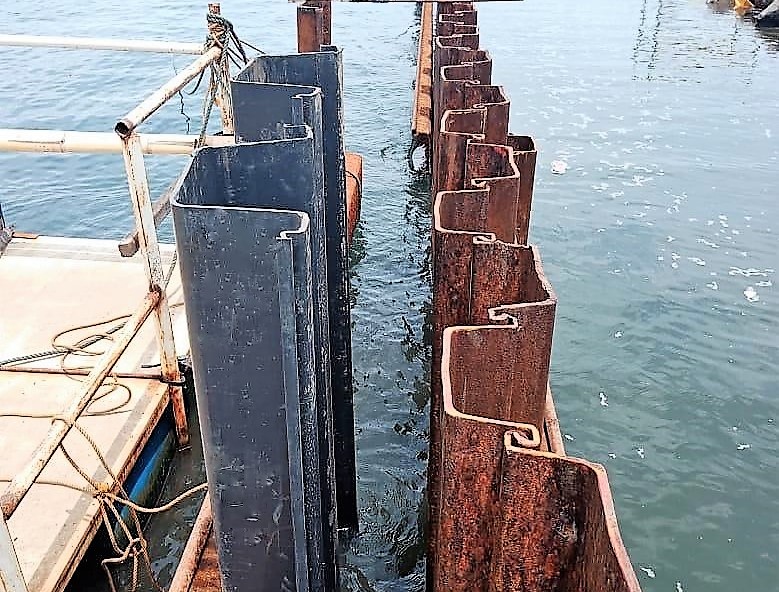
Sheet piles are a popular solution for the construction of water-tight barriers in the ground, retaining and water-front structures and bank protection infrastructure. Sheet piles can be made of many different materials, e.g. steel, fiberglass or PVC. Due to the obvious differences in physical and mechanical parameters, each of the listed technologies comes with their own advantages and disadvantages.
The price of vinyl sheet piles
We deliberately do not provide a price list of our vinyl sheet piles on our website and in any publicly available information channels, and this strategy results from a number of reasons.
First of all, while invariably keeping the highest quality of our profiles, the prices of raw materials for the production of sheet piles have always been fluctuating. Due to the recent turmoil on global markets and the close correlation of PVC prices with the geopolitical situation, the price dynamics of the raw material has recently reached an unprecedented level.
The second reason why we do share the prices of our vinyl sheet piles is justified by the fact that the price of the raw material is not the only costs component under the “material” item in the project budget that should be taken into account. When estimating the final outlays related to the use a given technology, a number of other costs items and variables should be taken into account.
In light of the factors mentioned above, estimating the costs of using a given technology seems to be much more complex. In this article, we address the issue of the price of vinyl sheet pile technology, and we attempt a reliable and transparent costs analysis comparing two technologies, the first one being steel piles and the second one vinyl sheet piles.
The price of raw material
In terms of the cost of the material itself, steel sheet piles are usually more expensive than vinyl sheet piles, due to the fact that the price of steel is significantly higher than PVC. What is also extremely important, our vinyl sheet piles are made of recycled material, which not only reduces the investment cost, but also the cost incurred by the natural environment.
In addition, because our offer comprises a wide range of profiles, it is possible for us to precisely match the appropriate type of a sheet pile to the project requirements in order to maximally optimize its costs.
To illustrate the above argument, let us analyze two extreme variants of designs where both vinyl sheet piles and steel sheet piles can be used.
Example 1: a tight wall in the ground, installed to the depth of 12 meters in heavy ground conditions
Demanding geological conditions make it necessary to choose a type of sheet pile characterized by high stiffness, relatively thick walls and, above all, high weight. Let us assume that it will be a steel profile with a 11 mm thick walls and weighing 135 kilos per square meter.
Now let us choose the right type of a vinyl sheet pile. Based on our many years of experience, the recommended profile for the implementation of this type of project could be for example GW-610/7.2, which weighs 17.4 kilos per square meter. The installation of such a sheet pile in the ground under such heavy conditions must be performed using a reusable steel guide that would protect the PVC profile during assembly. Taking into account the current prices (as of February 2023) of raw material, the difference in the price per square meter between both types of sheet piles is tremendous!
The cost of the GW-610/7.2 vinyl sheet pile is only 22% of the price of a steel sheet pile weighing 135 kg/m2.
Example 2: a cantilever retaining structure that protrudes above the ground level to the height of two meters
Let us assume that the said structure is loaded with sand, i.e. we are dealing with unfavorable ground conditions for the operation of the wall.
Due to the high stiffness and bending strength of steel, a steel sheet pile with a 7mm thick wall can be used for this type of project (provided there is no aggressive environment that will result in excessive corrosion). The approximate weight of such a sheet pile is less than 80 kilos per square meter.
When it comes to vinyl sheet piles, with such a demanding project, we can only use the strongest profile, i.e. GW-458/12 with a weight of 30.7 kilos per square meter. One must keep in mind that when it comes to mechanical aspect, the strength parameter of PVC is much lower than the one of steel and a sand-loaded retaining wall like in this example will most likely reach the maximum height available for this technology.
Now let’s compare the costs of both technologies, which would be also based on the prices mentioned in the previous example.
In this case, the price of the vinyl sheet piles would constitute 70% of the price of the steel sheet piles.
The price of maintenance
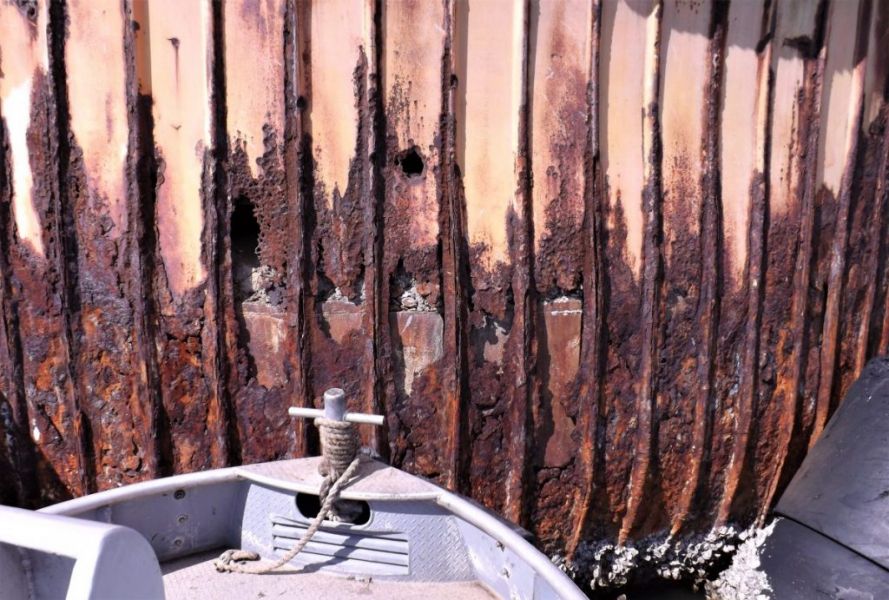
An unquestionable advantage of vinyl sheet piles is their high resistance to corrosion. Vinyl sheet piles do not cover in rust or in any way deteriorate over time. They do not require maintenance or specialized treatment to maintain the structural integrity of the material.
The price of transport
Now let us give a closer look at the transportation costs. One of the advantages of vinyl sheet piles is that they are much lighter than steel sheet piles. The density of PVC is 1.44g/cm3, and the density of steel is less than 8g/cm3, which means that from 1000 kilos of PVC we are able to manufacture much more square meters of sheet piles than when using the same amount of steel.
The density factor of the raw material makes PVC sheet piles much cheaper product to transport and they can usually be handled much more easily on site, using lighter and more cost-effective equipment. This factor makes it possible to significantly reduce the logistics expenditures, especially in the case of large projects, for which large amounts of sheet piles are used.
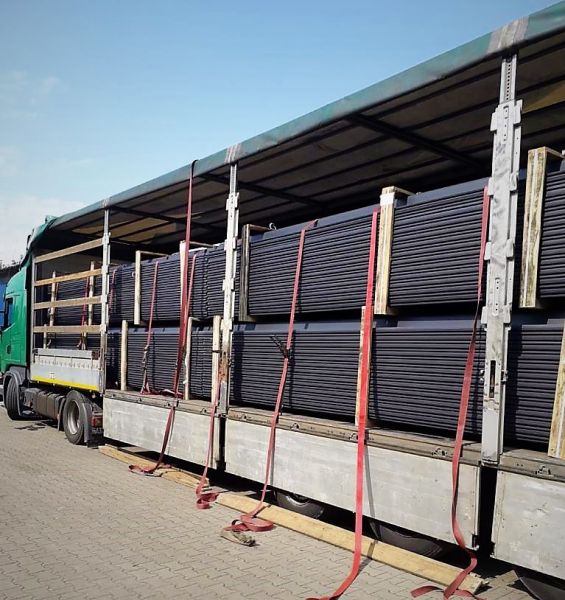
Let us return here to the example one assuming the construction of a tight wall, which would require 12 000 square meters of sheet piles to be completed. We know that a single transport unit can carry 1 200 square meters of vinyl sheet piles (21 tons). This means that ten such transport units will be needed to deliver the entire required quantity.
Let us now analyze the same for steel sheet piles. 21 tons of steel sheet piles weighing 135 kg per square meter means that only 155 square meters may be carried by a single transport unit. This means that 136 transport units will be needed to deliver 12 000 square meters of steel sheet piles to the construction site.
This is 13.6 times more than vinyl sheet piles!
The price of installation
Another important costs factor to consider when comparing vinyl and steel sheet pile technology are the installation costs which apart from the very price of installation must also consider other aspects including, inter alia, the duration of installation works.
The weight of vinyl sheet piles is much lower than steel, which results in the use of lighter and more economical equipment to deliver and handle the product at the construction site. The assembly is also carried out by fewer workers.
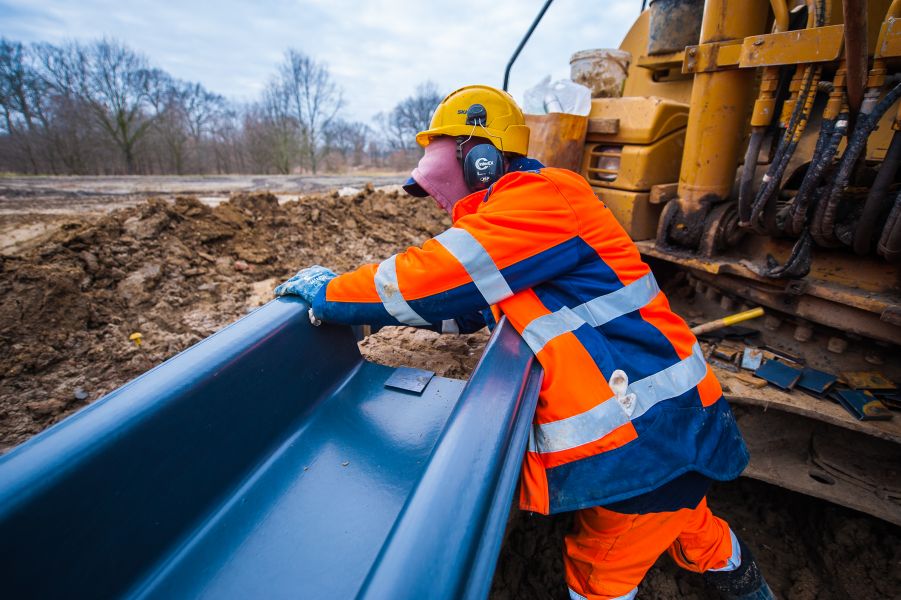
The direct costs of the very installation are comparable for vinyl and steel sheet piles because exactly the same equipment is used. When the assembly team is unfamiliar with the installation of vinyl sheet piles, it may be observed that the progress is slower at the initial phase of installation, until the team gets the knack of attaching vinyl profiles to the steel guides.
Summary
The price of the material itself is undoubtedly the most important costs factor that is taken into account when choosing the technology of vinyl and steel sheet piles, but it cannot be the only factor that is taken into account.
Thanks to the lower weight of vinyl sheet piles, it is possible to generate significant savings on the costs of transport, and the resistance of PVC to corrosion means that the investor does not have to take into account additional, significant maintenance costs. In addition, due to the similar assembly technique, the installation costs are similar.
When calculating the total costs of investment, it is important to consider all of the factors mentioned above, not just the quantifiable ones, as well as weigh all the pros and cons of each technology. Only such an approach guarantees making a responsible and informed decision.
Anti-filtration barriers are important elements of hydrotechnical structures or waste landfills. Their primary objective is to significantly reduce or even completely prevent the migration of water or pollutants through the structure. The technology of vinyl sheet piles with gaskets seems to be a break-through alternative to traditional methods of building leak-proof cut-off walls in the ground.
What is worth highlighting, contrary to other technologies using, for example, steel sheet piles or CDMM / TrenchMix cut-off walls, the use of vinyl sheet piles results in instant tightness immediately upon installation, without the need to wait for the soil clogging effect to occur in locks or for hardening of the cement-ground mixture.
The gasket is not glued or stuck into the lock in any way, but is thermally combined during the extrusion of the profile. As a result, it becomes a completely integral part of the entire sheet pile and there is no threat of damaging the gasket during the installation of sheet piles in the ground.
Field tests and further research
Before being commercially introduced into production, the technology of vinyl sheet piles with a seal has undergone a series of tests in both laboratory and field conditions. Laboratory tests carried out by the Institute of Fluid-Flow Machinery at the Lodz University of Technology showed that the tightness parameter ρs of locks equipped with a gasket is 0, as evidenced by a certificate confirming the results of the tests performed. It was confirmed that the maximum pressure at which the tightness of such a solution was found was 2.0 bar, i.e. 20 meters of water column.
The field study consisted of the installation of a 12-meter long anti-filtration barrier made of vinyl sheet piles with a gasket installed in dense sandy soil with ID = 0.7. The length of the sheet piles used in this study was 10 meters. After correct assembly, the wall was excavated on both sides, to a depth of 5 meters, and a visual assessment of locks and sheet piles was made, which confirmed the 100% quality of the connection of female and male locks and the absence of cracks and damage. Then, one of the trenches was flooded with water in the amount of about 10,000 liters. The water was mixed with a red dye to better control leaks. The water level on one side was 2.5 meters. The test result also turned out to be positive, no leaks to the other side of the barrier were noticed at any point, neither in the bottom of the trench nor on the locks of vinyl sheet piles. The tests confirmed 100% tightness and operation of the gasket.
Potential use in hydrotechnical projects
The technology of vinyl sheet piles with an integrated gasket is used primarily in projects where extremely high tightness is required. In hydrotechnical engineering, the filtration coefficient of anti-filtration barriers should not exceeded k=1*10-8. Such tightness cannot always be achieved using conventional methods. Using vinyl sheet piles with a gasket, with correct assembly, this factor is easily achieved. When constructing strategic flood embankments or dam reservoirs, both steel sheet piles and CDMM / TrenchMix cut-off walls may not achieve the required tightness due to the large difference in water pressure and the possibility of preferential flow paths.
Vinyl sheet piles with a seal minimize water filtration through the anti-filtration barriers.
The field study consisted of the installation of a 12-meter long anti-filtration barrier made of vinyl sheet piles with a gasket installed in dense sandy soil with ID = 0.7. The length of the sheet piles used in this study was 10 meters. After correct assembly, the wall was excavated on both sides, to a depth of 5 meters, and a visual assessment of locks and sheet piles was made, which confirmed the 100% quality of the connection of female and male locks and the absence of cracks and damage. Then, one of the trenches was flooded with water in the amount of about 10,000 liters. The water was mixed with a red dye to better control leaks.
When planning new developments within cities, one of the biggest challenges is fitting such investments and their accompanying infrastructure into the existing urban fabric, so that the development does not impact the existing balance. The Złocień residential estate in Cracow is one example of where unthoughtful planning has led to serious consequences, with floods on the estate being the result. However, thanks to the implementation of modern technologies and materials, the situation was successfully addressed. In this article, we analyze how the application of the EcoLock vinyl sheet pile technology by Pietrucha protected the residents of Złocień and helped generate considerable savings on the remedy works.

Large metropolitan cities in Poland are consistently increasing in size, taking over more and more area that were not previously considered suitable for development. A serious challenge when planning such investments is fitting new residential estates and the accompanying infrastructure into the existing urban fabric, so that the development does not disturb the existing balance. Unfortunately, such undertakings are not always successful as one may learn from the example of the Złocień residential estate located in the Bieżanów-Prokocim district of Cracow.
The Złocień estate is located in the Serafa River valley. Until recently, the area mostly consisted of arable land and detached houses built mainly in the 1918-1939 period. Due to the rapidly progressing and ill-considered development, new residential estates which were built north of the Serafa River, on its left bank, were periodically affected by small floods, which resulted from the specificity of the terrain and the surface run-off of the rainwater during heavy rains down the concrete paving stones straight to the underground garages.
The problem
As more and more settlements were built along the left bank of the Serafa, the problem also appeared on the right bank of the river. As a result of the conducted expertise, it was found that the direct cause of this phenomenon is the construction of a fence with an 80 cm high concrete foundation around one of the housing estates on the left bank of the Serafa, which was an effective barrier to water during floods in the river.

As a result, the water could not flow in its natural direction, where until recently farmland was located. Instead, the water started to overflow to the area located on the right side of the river. The problem is that the houses built several decades ago on the right bank of the Serafa had no protection against flooding, as this problem had never occurred there before. The greatest flooding occurred in 2021, when the amount of precipitation in Krakow was the highest for at least 160 years (measurements have been carried out since then).
As a result of an expertise commissioned by the Polish Waters (Wody Polskie), it was found that the problem lied in the concrete foundation of the fence mentioned above. A method was proposed to protect the right bank against flooding by building a structure designed to enhance the capability of piling up water during floods and to increase the river bed capacity. However, the existing buildings and old trees with a densely developed root systems posed a considerable problem in carrying out the task. That is why, it was decided to apply the EcoLock vinyl sheet piling technology, since the installation of vinyl sheet is very fast and requires the least space. What is more, as compared to other considered technologies, vinyl sheet piles were the least expensive and the most environmentally friendly solution.

Vinyl sheet piles technology i.e. how all challenges were addressed
The remedy to the aggravating problem was the reinforcement of the river embankment with a wall made of vinyl sheet piles, so that the crown of the wall protruded 1.10m above the level of the terrain. However, the base of embankment was situated on very diverse and weak soil and the embankment was created rather spontaneously over the years by the local inhabiants who brought soil and placed sandbags on the riverbank. With time the sandbags eventually disintegrated and vegetation grew on it. That is why, it was decided that vinyl sheet piles would not only protect the area above its level but also 2 meters below, so that the construciton would not be washed away during longer floods. In order to provide additional protection, vinyl sheet profiles equipped with an integrated gasket made of soft PVC were selected to ensure the tightness at the lock connections. Vinyl sheet piles with gaskets are an innovative solution developed by the Pietrucha Group, which allows for immediate tightness, contrary to the traditional steel sheet piles which require time and costs consuming procedures conducted on site to achieve the result, which would consist in applying chemical substances or by welding the locks.
Following a static and economic analysis, it was decided that the recommended type of profile from the Pietrucha Group comprehensive portfolio would be GW-610/9 with a length of 3m. A total of 1286 m2 of sheet piles and 510 m of vinyl cap were used for the entire task.
An added value: cutting 1/3 of the costs
Comparing the costs of vinyl walls alone to steel sheet pile walls that could be used for this project, it can be concluded that the cost of the material alone in the budget of the ordering party amounted to about PLN 400,000. It should be added that in the case of steel sheet piles, double-sided anti-corrosion protection would also be required. Based on the market prices, the selection of vinyl sheet piliing technology helped generate savings of around PLN 600,000.
With the total project budget of PLN 2,000,000, the choice of vinyl sheet piles aloowed for cutting the costs by nearly one third!


As environmental concerns continue to rise, the time has come to analyze the impact of vinyl sheet piles on microplastics. Is there any threat posed by vinyl sheet piles to the environment and the presence of microplastics in the water? With EcoLock vinyl piles, the answer is a resounding no.
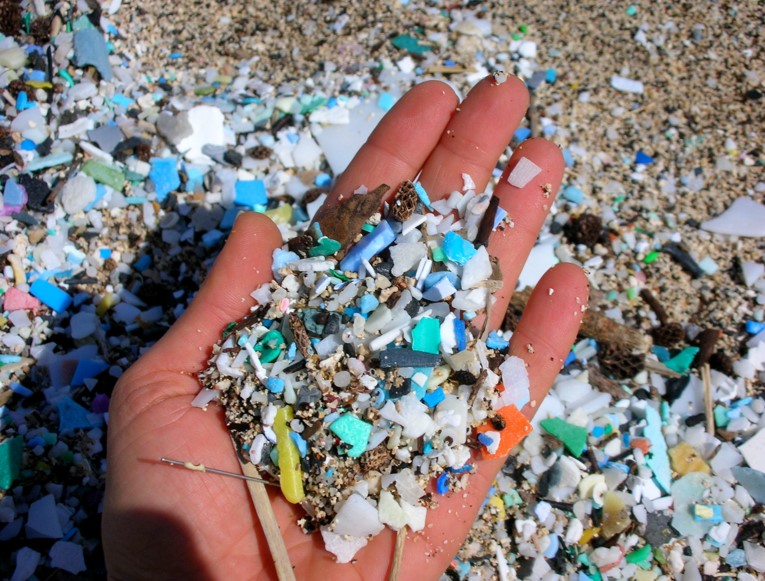
Microplastics, i.e. very small particles of synthetic materials with a size of up to 5mm, are increasingly becoming a problem for the natural environment. Unfortunately, we can also find them in marine and fresh water.he prevailing source of microplastics in water is polymers such as polyethylene, polypropylene, polyamide, polyurethane, polystyrene, and polyvinyl chloride. However, compared to other polymers, PVC is one of the less harmful to the environment.
Scientific studies show that its presence in marine and fresh water is usually lower than other types of microplastics, such as polyethylene or polypropylene. For example, in the scientific articles “Characteristics and sources of microplastic pollution in the water and sediments of the Jinjiang River Basin, Fujian Province, China” and “Microplastics in the marine environment: A review of their sources, distribution processes, uptake and exchange in ecosystems”, only a few samples showed the presence of PVC, and in significantly lower concentrations compared to other types of microplastics.
Oxidation is the key
It is worth noting here that most PVC products that are a source of pollution are produced without the use of substances that increase their resistance to oxidation under the influence of UV rays. The oxidation of polymers makes them brittle and less resistant to mechanical forces, making them easier to scratch and crumble. This may potentially be the cause of the large amount of microplastics in water.
Manufacturing technology does matter
Getting to the point, EcoLock vinyl piles are produced with the addition of substances that significantly increase their impact resistance, scratch resistance, and resistance to oxidation. This significantly reduces the probability of emitting microplastic particles into the water. Another fact in their favor is that they are produced in the extrusion process, meaning they are made entirely of the same material. Some vinyl pile manufacturers produce them in the co-extrusion process, meaning the outer layer of the piles is coated with higher quality PVC and the center is filled with much lower quality PVC that is not resistant to UV rays and oxidizes easily. This can cause the emission of microplastics during use.
Coming back to vinyl sheet piles and microplastics:
- Scientific studies have shown that the share of PVC as a microplastic in the tested samples was negligible compared to other polymers.
- The source of contamination are primarily these PVC products which are not resistant to oxidation.
- Our EcoLock vinyl sheet piles are manufactured using extrusion technology, from carefully selected raw material which is highly resistant to oxidation.
- In addition, EcoLock vinyl piles are produced with the addition of substances that significantly increase their impact resistance, scratch resistance, and resistance to oxidation.
- To confirm these words, it can be added that the National Institute of Public Health issued a certificate stating that vinyl sheet piles can be used in potable water tanks. You may review the certificate here.
Unfortunately, on the market, there are also vinyl sheet piles manufactured using in the co-extrusion method – their core is made of poor quality PVC, which is easily oxidized.
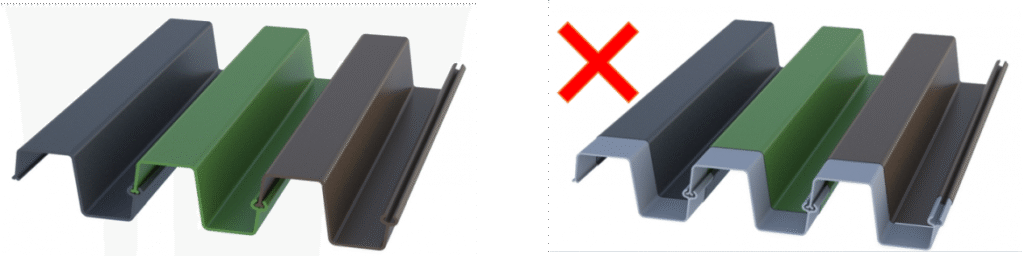
To conclude, it is essential for investors to make informed decisions when selecting vinyl sheet piles. By paying attention to the manufacturing technology and the quality of the material used, they can ensure the desired results and a long-term product life. Careful research should be conducted before investing in vinyl sheet piles to ensure the product is of high quality and resistant to oxidation. By doing so, they can be confident that they are investing in a product that not only will last for years to come.
Project and Installation Support
Our experienced geotechnical team works closely with clients to select the best solutions and installation methods. If needed, we provide training for assembly teams and offer on-site assistance during installation.

Project support
Thank you for contacting us.
Your message has been successfully sent.
We will get back to you as soon as possible.

Geotechnical Support
Designer 3.0 is an innovative calculation platform created specifically for designers and engineers. It offers three calculation tools, manuals, guides, and case studies focused on the products provided by the Pietrucha Group, all in one place. Designed with professionals in the civil and water engineering sectors in mind, Designer 3.0 simplifies the design of solutions for ground stabilization, load-bearing capacity reinforcement, flood protection, and the construction of retaining and anti-filtration walls.
