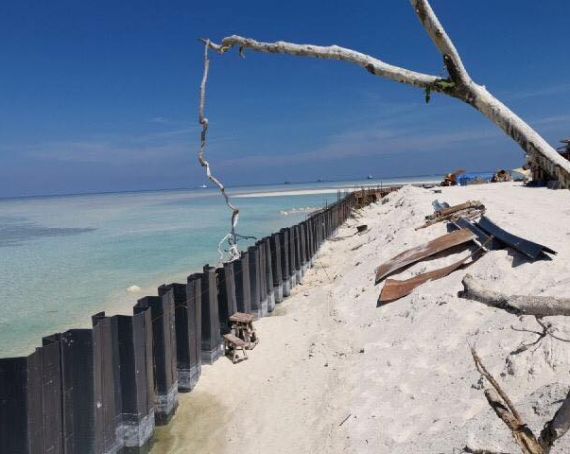
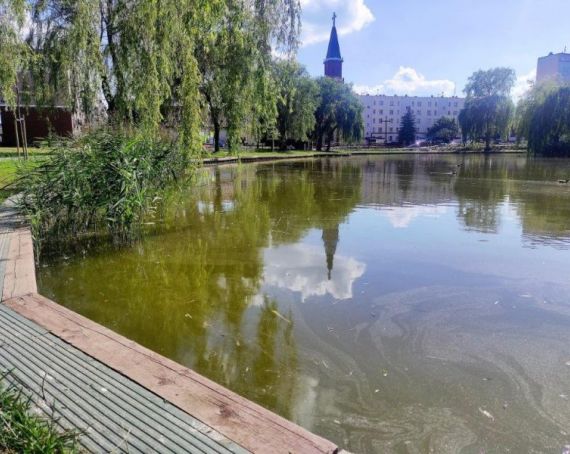
As environmental concerns continue to rise, the time has come to analyze the impact of vinyl sheet piles on microplastics. Is there any threat posed by vinyl sheet piles to the environment and the presence of microplastics in the water? With EcoLock vinyl piles, the answer is a resounding no.
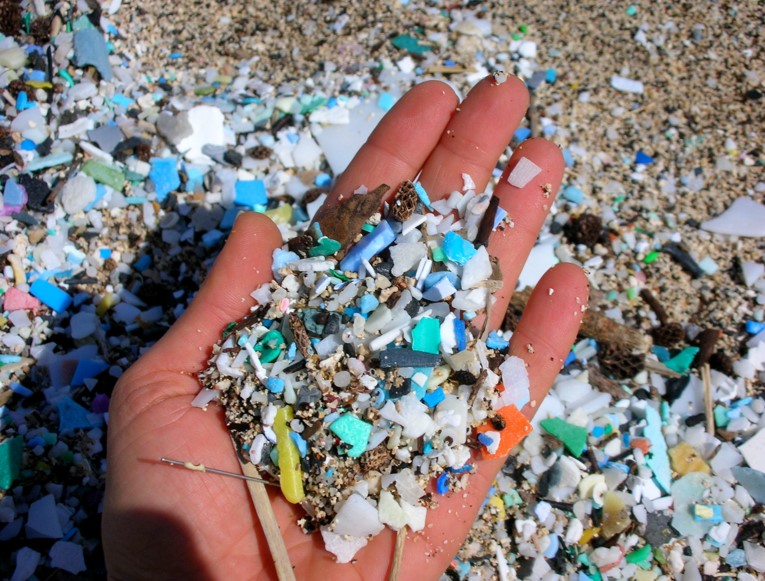
Microplastics, i.e. very small particles of synthetic materials with a size of up to 5mm, are increasingly becoming a problem for the natural environment. Unfortunately, we can also find them in marine and fresh water.he prevailing source of microplastics in water is polymers such as polyethylene, polypropylene, polyamide, polyurethane, polystyrene, and polyvinyl chloride. However, compared to other polymers, PVC is one of the less harmful to the environment.
Scientific studies show that its presence in marine and fresh water is usually lower than other types of microplastics, such as polyethylene or polypropylene. For example, in the scientific articles “Characteristics and sources of microplastic pollution in the water and sediments of the Jinjiang River Basin, Fujian Province, China” and “Microplastics in the marine environment: A review of their sources, distribution processes, uptake and exchange in ecosystems”, only a few samples showed the presence of PVC, and in significantly lower concentrations compared to other types of microplastics.
Oxidation is the key
It is worth noting here that most PVC products that are a source of pollution are produced without the use of substances that increase their resistance to oxidation under the influence of UV rays. The oxidation of polymers makes them brittle and less resistant to mechanical forces, making them easier to scratch and crumble. This may potentially be the cause of the large amount of microplastics in water.
Manufacturing technology does matter
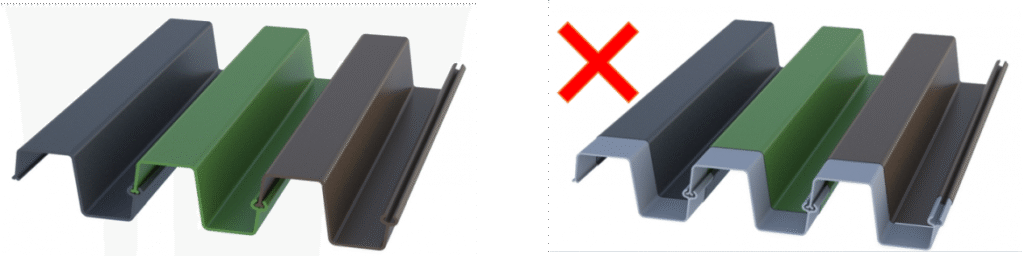
Getting to the point, EcoLock vinyl piles are produced with the addition of substances that significantly increase their impact resistance, scratch resistance, and resistance to oxidation. This significantly reduces the probability of emitting microplastic particles into the water. Another fact in their favor is that they are produced in the extrusion process, meaning they are made entirely of the same material. Some vinyl pile manufacturers produce them in the co-extrusion process, meaning the outer layer of the piles is coated with higher quality PVC and the center is filled with much lower quality PVC that is not resistant to UV rays and oxidizes easily. This can cause the emission of microplastics during use.
Coming back to vinyl sheet piles and microplastics:
- Scientific studies have shown that the share of PVC as a microplastic in the tested samples was negligible compared to other polymers.
- The source of contamination are primarily these PVC products which are not resistant to oxidation.
- Our EcoLock vinyl sheet piles are manufactured using extrusion technology, from carefully selected raw material which is highly resistant to oxidation.
- In addition, EcoLock vinyl piles are produced with the addition of substances that significantly increase their impact resistance, scratch resistance, and resistance to oxidation.
- To confirm these words, it can be added that the National Institute of Public Health issued a certificate stating that vinyl sheet piles can be used in potable water tanks. You may review the certificate here.
Unfortunately, on the market, there are also vinyl sheet piles manufactured using in the co-extrusion method – their core is made of poor quality PVC, which is easily oxidized.
To conclude, it is essential for investors to make informed decisions when selecting vinyl sheet piles. By paying attention to the manufacturing technology and the quality of the material used, they can ensure the desired results and a long-term product life. Careful research should be conducted before investing in vinyl sheet piles to ensure the product is of high quality and resistant to oxidation. By doing so, they can be confident that they are investing in a product that not only will last for years to come.